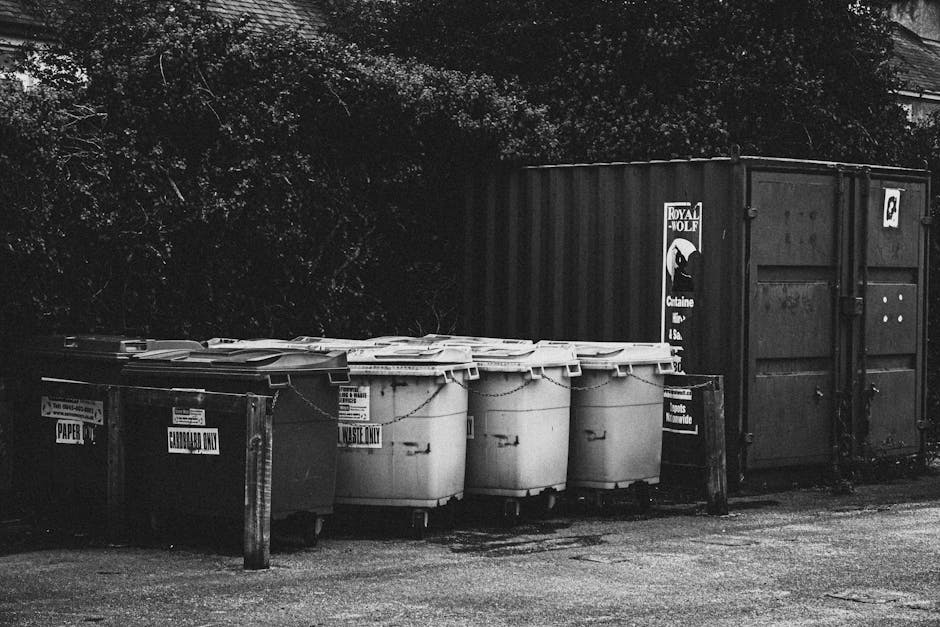
Skip hire & disposal rules near Blackheath Common: what to know before you book
If you are planning a clear-out, renovation, garden overhaul, or a bigger move near Blackheath Common, skip hire sounds simple enough at first. Put the waste in a skip, collect it later, done. In reality, the rules around skip placement, waste types, loading, and disposal can be a bit more nuanced, especially in a busy London setting where pavement access, parking, and local expectations all matter.
This guide breaks down Skip hire & disposal rules near Blackheath Common in plain English. You will learn how it works, what usually causes trouble, how to stay on the right side of best practice, and how to choose the most sensible disposal method for your project. No fluff. Just the useful bits, the bits people actually need on a wet Tuesday when rubble is piling up in the hallway.
Why Skip hire & disposal rules near Blackheath Common Matters
Blackheath Common sits in a part of southeast London where roads can be tight, parking can be limited, and footfall can change quickly depending on time of day, school runs, weekend traffic, or local events. That matters because skip hire is not just about storage for rubbish. It is about where the skip sits, how it is loaded, what goes inside it, and how safely the waste leaves the site.
People often focus on the size of the skip and miss the bigger picture. The bigger picture is risk. If a skip blocks access, contains restricted waste, overfills, or is booked without enough thought for collection access, the job can become stressful fast. And nobody wants a pile of old plasterboard or broken furniture holding up a home project for another week.
There is also the simple reality that waste should not be treated casually. Mixed rubbish can contaminate recycling streams. Unsafe loading can create hazards for the people moving it. And poor planning can mean extra charges, extra waiting, or even having to repack the skip. Not ideal.
Practical takeaway: near Blackheath Common, the smartest skip hire plan is the one that considers access, waste type, timing, and disposal rules before the skip arrives, not after.
If you are already planning a home move or property clearance, it may also help to think about how waste handling fits alongside the rest of the job. For example, a careful move often runs more smoothly when packaging, old furniture, and unwanted items are handled through a wider plan rather than as an afterthought. If you are coordinating a move, you may find it useful to look at home moves or removals as part of the overall picture.
How Skip hire & disposal rules near Blackheath Common Works
At a practical level, skip hire follows a fairly simple chain: you choose the skip size, decide where it will sit, fill it correctly, and arrange collection. But each step has details that matter.
1. Choose the right skip for the waste
Not every project needs a giant container. Small household clear-outs, light garden waste, and one-room refurbishments often need less capacity than people expect. Larger jobs, especially where rubble, bathroom fittings, or bulky mixed waste are involved, can fill a skip faster than you think.
To be fair, this is where a lot of people get caught out. A skip that is too small becomes a second booking. A skip that is too large may be unnecessary if you are working with limited space near the Common.
2. Check where it can legally and safely sit
If the skip is going on private land, such as a driveway or a forecourt, things are usually simpler. If it needs to go on a public road or verge, permissions and local rules may apply. In a busy residential area, siting is often just as important as the hire itself. You want access for the vehicle, room for pedestrians, and enough space for safe loading.
3. Keep prohibited waste out
Some items are commonly restricted or require special handling. That can include hazardous materials, electrical items, batteries, tyres, gas bottles, paint, chemicals, and some construction waste depending on the circumstances. The exact rules depend on the waste stream and the disposal provider, so always check before you toss something in.
A simple habit helps here: if you are not completely sure an item belongs in the skip, stop and ask first. That one pause can save a lot of trouble later.
4. Load the skip correctly
Overfilling is one of the easiest mistakes to make. Waste should usually stay within the load limit so it can be transported safely. Loose boards, sharp metal, and uneven piles are not just messy; they are unsafe. Think tidy layers, not a frantic throw-everything-in-until-the-lid-won't-shut situation.
5. Arrange collection and disposal properly
Once the skip is full, it needs to be collected and taken to an appropriate waste facility. The disposal stage is where sorting, recycling, and responsible handling matter. If you are working with a provider that takes waste handling seriously, that should be reflected in how they explain their process and what they accept.
If your project is more about transporting items than dealing with a static skip, a flexible option such as man with van or man and van can be a better fit, especially for household items that need moving rather than dumping.
Key Benefits and Practical Advantages
When skip hire is planned well, the benefits are pretty obvious. Less clutter, cleaner workspaces, fewer delays, and a much easier route to getting waste off-site. But the practical advantages go beyond convenience.
- Cleaner project flow: rubbish stays in one place instead of spreading through hallways, gardens, or pavements.
- Safer working conditions: fewer tripping hazards and less lifting of awkward loads over long distances.
- Better time control: you can work at your own pace rather than making repeated trips to disposal sites.
- Improved recycling potential: sorted waste is easier to process responsibly.
- Less vehicle traffic: one organised collection can replace multiple car journeys, which is helpful in a congested area.
There is also a calmer side to it. Once waste is under control, the whole property feels less chaotic. You hear that? The echo in an empty room after a big declutter is strangely satisfying.
For businesses and landlords, skip hire can reduce disruption too. Office clearances, shop refits, and rental property refreshes all tend to run more efficiently when waste handling is thought through at the start. If you are managing a larger relocation or commercial project, consider whether commercial moves or office removals might sit alongside the waste plan.
Who This Is For and When It Makes Sense
Skip hire near Blackheath Common makes sense for anyone dealing with a solid volume of waste that is too awkward, heavy, or bulky for normal bins. That includes private homeowners, tenants clearing a property, tradespeople, landlords, and businesses between refurbishments.
Typical situations where a skip is useful
- Kitchen or bathroom rip-outs
- Garden landscaping and hedge clearing
- Loft, cellar, or garage decluttering
- Renovation debris and packaging waste
- End-of-tenancy clearances
- Small commercial strip-outs
It may not be the best choice if you only have a few items, if access is extremely tight, or if the items are better kept for reuse or donation. In those cases, a collection-based service can be more practical. For example, a one-off pickup of usable furniture may fit better with furniture pick up than with a full skip.
A useful rule of thumb: choose the method that best matches the waste, not the method that simply feels familiar.
Step-by-Step Guidance
If you want the smoothest possible experience, work through the process in order. It sounds basic, but a lot of problems come from skipping the planning stage. Which, admittedly, is a bit ironic.
- Estimate what needs to go. Walk through the property and separate rubble, timber, metal, general rubbish, garden waste, and items that may need specialist handling.
- Check access near the property. Measure gates, tight turns, parking space, and whether the collection vehicle will have room to operate safely.
- Decide where the skip will sit. Private land is usually easier. Public placement may require extra checks and permissions.
- Confirm what waste is allowed. Ask about restricted items before booking, especially if you have construction waste or mixed materials.
- Prepare the area. Clear the drop-off point, protect surfaces if needed, and make sure loading is straightforward.
- Load the skip sensibly. Put heavier waste at the bottom when possible and keep everything below the top edge.
- Book collection promptly. Do not leave a full skip sitting around longer than necessary, especially if space is limited.
A small but important detail: if the job is happening around a move, clear-out, or renovation, it is often better to sequence the work. Move fragile items first, remove reusable items second, and send the true waste to disposal last. That order reduces breakages and confusion.
Expert Tips for Better Results
Here is where the practical, real-world stuff matters most.
Sort before you load
Even if you are using a mixed-waste skip, pre-sorting helps. Put timber together, separate metal where easy, and keep recyclable cardboard out of damp waste. Once materials are mixed and crushed, they are much harder to recover.
Think about weight as well as volume
Bricks, tiles, soil, and rubble fill a skip weight limit quickly. A skip can look half-empty and still be very heavy. That catches people out all the time. If your project includes dense construction material, it may need a different loading approach than a house clearance.
Protect access routes
In a residential part of London, damage to paving, kerbs, or communal areas can become a headache. Lay boards or use protective measures if needed. A five-minute safeguard can save a long conversation later. Nobody wants that conversation.
Plan around busy times
Morning school traffic, weekend visitors, and commuter windows can all affect skip delivery and collection. If the street is awkward, choose a quieter slot. Early afternoon often feels calmer than early morning in many neighbourhoods, though every road has its own rhythm.
Keep a simple waste log
For bigger jobs, a basic list of what went into the skip is surprisingly useful. It helps if questions come up later about what was removed, what was reused, and what needs additional disposal.
And one more thing: if you are unsure whether something should be recycled, reused, or disposed of, ask before loading it. Guessing is expensive. Not always, but often enough to matter.
Common Mistakes to Avoid
Most skip hire issues are avoidable. The same handful of errors crop up again and again, usually when people are in a hurry.
- Booking the wrong size: too small means overflow or repeat hire; too large can waste money and space.
- Ignoring access constraints: a skip truck needs room to deliver and collect safely.
- Putting in restricted waste: this can trigger refusals, extra charges, or compliance issues.
- Overfilling the skip: transport safety comes first.
- Leaving it too long: a skip that sits around becomes an obstacle and can invite misuse by others.
- Not considering neighbours: noise, obstruction, and shared access matter more than people expect.
There is also a social side to this. Near Blackheath Common, streets and frontages can feel open and neighbourly, so a clumsy skip setup stands out. Keep it tidy, keep it brief, and keep communication friendly where needed.
Tools, Resources and Recommendations
You do not need a fancy toolkit, but a few simple things make skip hire and disposal much easier.
- Measuring tape: useful for checking width, height, and access.
- Work gloves: essential when handling sharp or dirty waste.
- Dust sheets or protective coverings: useful when moving waste through clean rooms or shared areas.
- Wheelbarrow or sack barrow: helpful for garden waste, soil, and rubble.
- Marker labels or tape: handy for separating items that should not go in the skip.
For sustainability-minded projects, it helps to use a provider that takes recycling seriously and explains disposal clearly. If you want to understand how a business approaches responsible handling, the page on recycling and sustainability is a useful place to start.
If you are comparing service quality more broadly, it can also be worth checking business information pages such as about us, insurance and safety, and health and safety policy. Those pages tell you more about how carefully a company operates than a quick price alone ever will.
Law, Compliance, Standards, or Best Practice
Waste disposal in the UK is not something to handle casually. While this article is not legal advice, the broad best practice is straightforward: waste should be stored, transported, and disposed of responsibly, with attention to the type of material and the duty to prevent harm or nuisance.
In practical terms, that means the following:
- Use a reputable provider for collection and disposal.
- Do not assume every item can go in the same skip.
- Keep hazardous or specialist waste separate unless you have confirmed acceptance.
- Load safely so the skip can be moved without risk.
- Be considerate about where the skip is placed and for how long.
For private households, the main concern is usually simple compliance and safe handling. For businesses, landlords, and contractors, the standard is higher because there is a stronger expectation of organised waste management. That may include better record-keeping, clearer segregation, and more care over where material ends up.
If your project is connected to an office or commercial relocation, using the right moving service can reduce waste in the first place. You may find office relocation services or man with van removal a better fit for reusable items, equipment, and staged clearances than relying on disposal alone.
Options, Methods, or Comparison Table
There is more than one way to deal with unwanted items near Blackheath Common. The right choice depends on volume, type, urgency, access, and whether the material is reusable, recyclable, or genuine waste.
| Option | Best for | Strengths | Watch-outs |
|---|---|---|---|
| Skip hire | Large volumes of mixed waste, rubble, renovation debris | Simple on-site disposal, good for ongoing projects | Needs space, may require permissions, restricted waste rules apply |
| Man and van clearance | Reusable items, smaller clear-outs, quick removals | Flexible, good for collections and transport | Less suitable for heavy construction waste |
| Manual loading and multiple trips | Very small volumes | Low commitment | Time-consuming, inconvenient, and often inefficient in London traffic |
| Specialist waste handling | Hazardous or regulated items | More appropriate for difficult materials | Must be arranged carefully and usually costs more |
For many local projects, skip hire and van-based removal are complementary rather than competing options. You might use a van service for reusable furniture and a skip for broken, dirty, or irreparable waste. That approach is often more sensible than forcing everything into one method.
Case Study or Real-World Example
Imagine a two-bedroom flat off a road near the Common where the owners are refreshing the kitchen and clearing a small storage room at the same time. They have old units, packaging, broken tiles, and a few items of furniture they no longer need. At first, they think one small skip will do everything.
Once they walk through the rooms properly, they realise the load is more mixed than expected. Some items can be reused, some need transporting intact, and the rest is genuine waste. Instead of making one rushed booking, they split the job into two parts: a vehicle-based removal for usable furniture and a skip for rubble and unusable debris.
The result is calmer, cleaner, and cheaper in the long run. Less waste ends up in the wrong place. The stairwell stays clear. The neighbours are less bothered. And the project keeps moving, which is usually the whole point.
That kind of mixed approach is common, especially around home moves and refurbishments. If your own job feels a bit messy and overlapping, it may help to compare removal van options with moving van support, depending on whether you are shifting goods or disposing of them.
Practical Checklist
Use this before the skip arrives. It saves headaches, honestly.
- Have I listed everything that needs disposing of?
- Do I know which items are reusable, recyclable, or restricted?
- Is there enough space for delivery and collection?
- Will the skip sit on private land or a public road?
- Have I checked loading limits and prohibited materials?
- Do I have gloves, tools, or protection for handling rough waste?
- Have I warned anyone who shares the driveway, entrance, or street space?
- Do I have a plan for collection once the skip is full?
- Have I thought about whether a van-based collection would be better for any of the items?
- Is the waste plan aligned with the rest of the move or renovation?
If you tick most of those boxes, you are already ahead of the curve.
Conclusion
Skip hire near Blackheath Common is straightforward when it is planned properly, but the disposal rules and practical details really do matter. The best results come from thinking about access, waste type, loading, timing, and collection as one connected job rather than separate little tasks.
That is the real difference between a smooth project and a stressful one. A bit of planning at the start can save time, money, and a surprising amount of frustration later. And if you are juggling a clearance, move, or renovation all at once, that peace of mind is worth a lot.
For trustworthy support across removals, van services, and related logistics, it helps to work with a provider that understands both movement and disposal as part of the same practical picture. Quietly, that is often where the smoothest jobs begin.
Get a free quote today and see how much you can save.
Frequently Asked Questions
Do I need permission to place a skip near Blackheath Common?
If the skip is on private land, permission is usually simpler. If it needs to go on a public road, additional permissions or local requirements may apply. Always check before booking so you do not end up with a delay on delivery day.
What waste can usually go in a skip?
General household waste, mixed renovation debris, timber, garden waste, and some bulky items are commonly accepted. However, acceptance varies by provider, and restricted materials must be checked in advance.
What items are normally not allowed in a skip?
Hazardous materials, batteries, tyres, gas bottles, paint, chemicals, and some electrical items are commonly restricted. If in doubt, ask before loading it. It is a lot easier than sorting it out later.
How do I choose the right skip size?
Think about both volume and weight. Light household waste may need less space, while rubble or soil can become heavy very quickly. When projects are mixed, it is often worth asking for guidance rather than guessing.
Can a skip go on the pavement or road near Blackheath Common?
It can sometimes be possible, but public placement usually involves stricter checks and may require permission. Access, pedestrian safety, and vehicle movement all have to be considered.
Is skip hire better than using a man and van service?
It depends on the job. Skip hire is usually better for ongoing waste generation and heavier debris. A man and van style service can be better for reusable furniture, smaller clear-outs, or items that need moving rather than disposing of.
How do I make sure the skip is loaded safely?
Put heavy waste low, avoid sharp overhangs, and keep the top edge clear. Do not pack it so tightly that collection becomes unsafe. If you have awkward items, break them down where possible.
Can I mix garden waste with building waste?
Sometimes yes, but it depends on the provider and the disposal route. Mixed loads can affect recycling potential and may change pricing or acceptance. Always confirm before combining very different waste types.
What happens if I overfill the skip?
Overfilling can create transport risks and may lead to refusal of collection or extra charges. It is one of those small issues that quickly becomes a bigger one, so keep the load level sensible.
How far in advance should I book skip hire?
For simple projects, a short lead time may be enough. For busier periods, access-sensitive sites, or jobs near the Common where timing matters, booking earlier gives you more breathing room.
What should I do if I only have a few bulky items?
If the load is small, a skip may be more than you need. A collection service or van-based removal can be more efficient, especially for furniture or reusable household items.
How can I make the process more sustainable?
Sort waste before loading, separate reusable items, and choose a provider that handles disposal responsibly. Recycling-minded planning usually produces less landfill waste and a cleaner overall job.
Are there special considerations for commercial clearances?
Yes. Businesses often need better planning, clearer segregation, and more organised waste handling. If you are coordinating a commercial move, it helps to align disposal with the wider relocation plan from the start.
Where can I get help if I am unsure what service I need?
Start by looking at the type of waste and whether the items are being moved, reused, or discarded. If you need support with removal, transport, or a mixture of both, pages such as removals near me and removal company can help you compare the broader options.