Dealing with bulky waste in SE3 moves
Posted on 02/06/2026
Dealing with bulky waste in SE3 moves: a practical guide for safer, smoother removals
Moving house in SE3 can feel tidy on paper and messy in real life. One minute you are sorting boxes; the next, you are staring at an old wardrobe, a cracked mattress, a freezer that no longer works, and a sofa that definitely will not fit through the hallway without a fight. Dealing with bulky waste in SE3 moves is often the bit people leave until last, yet it can shape the whole move. Get it wrong and you waste time, pay for extra van space, or end up stressed on moving day. Get it right and the rest of the job starts to breathe a little easier.
This guide walks through what bulky waste really means in a move, how to handle it sensibly, how to reduce cost and hassle, and when it makes more sense to bring in help. It is written for real moving days, not ideal ones. You know, the ones with narrow stairs, a tight parking spot, and a calendar that somehow got busier right when you needed it to calm down.

Why Dealing with bulky waste in SE3 moves Matters
Bulky waste is anything too large, awkward, or heavy to treat like ordinary household rubbish. Think sofas, beds, wardrobes, broken white goods, large tables, exercise machines, and office furniture. In an SE3 move, these items matter because they influence almost every practical part of the relocation: loading time, van size, access, parking, labour, and disposal planning.
People often assume bulky waste can be dealt with at the end. In practice, that creates friction. A heavy divan base left in the bedroom can block the path for boxes. An old fridge can soak up precious van space. A stack of dismantled furniture in the hallway can turn a straightforward exit into a slow shuffle. And if you are moving from a flat or a terrace with tight access, that extra friction can snowball fast.
There is also the emotional side. Let's face it, not every item is worth saving just because it still exists. A move is one of the best times to make a clean decision about what deserves space in the new home. If an item is broken, unsafe, or simply not worth moving, bulky waste planning gives you a clean exit. That is especially useful in SE3, where a lot of homes combine character, stairs, and limited outside space. Charming, yes. Convenient, not always.
For many households, this also ties into decluttering and sustainability. If you reduce what goes into the van, you may reduce the number of trips, lower handling risks, and improve the chance of reusing or recycling items properly. For that reason, pairing bulky waste planning with smart pre-move decluttering and a clear disposal plan is one of the easiest ways to make the whole process less chaotic.
How Dealing with bulky waste in SE3 moves Works
The basic process is simple, but the details matter. First, identify which bulky items are coming with you, which should be sold or donated, and which should be removed responsibly. Then work out how each item will leave the property, where it will go, and whether it needs dismantling, protection, or special handling.
In a typical SE3 move, bulky waste handling falls into one of three paths:
- Reuse or resale - items in good condition may be passed on, sold privately, or given away.
- Move with care - items you are keeping are wrapped, dismantled where needed, and loaded safely.
- Dispose or recycle - items that are worn out, unsafe, or not worth moving are removed through an appropriate disposal route.
That final path is where people usually need the most planning. Bulky waste is not the same as a bin bag, and you should not treat it that way. Items may need separating into metal, wood, textiles, electricals, or mixed materials. A broken freezer is not just an old appliance; it is a large, heavy object that may need special handling because of its weight and residual components. If you want a better sense of how appliance storage and preparation affects a move, the practical guidance in tips for properly storing a freezer when idle is a useful companion read.
Once you understand the item types, the physical work becomes easier to plan. Measure doorways. Check stair turns. Decide what needs two people and what needs three. If something is especially awkward, such as a piano or large sectional sofa, it is usually better to treat it as a specialist move rather than forcing it through like a puzzle piece. There is a reason the pros use proper handling methods and protective equipment.
For extra context, the approach to moving large furniture safely is closely related to the same principles used in kinetic lifting and to furniture-specific planning on the furniture removals in Blackheath page. The mechanics are not glamorous, but they save backs and doorframes. Which is the point, really.
Key Benefits and Practical Advantages
Proper bulky waste planning is not just about getting rid of things. It creates a cleaner, safer, and more efficient move from start to finish.
- Less clutter on moving day - fewer large items means more room to work and fewer bottlenecks.
- Lower manual handling risk - heavy items are where most avoidable strains and knocks happen.
- More accurate van planning - when bulky items are accounted for, you can choose the right vehicle and avoid wasted trips.
- Better reuse and recycling outcomes - good items can be redirected instead of dumped.
- Reduced move-out stress - if the bulky stuff is sorted early, the rest feels manageable.
There is also a practical financial angle. Even without talking about exact prices, fewer unnecessary items usually means better use of labour and vehicle space. And that can make a real difference if you are trying to keep a move efficient. If you are comparing options, it can help to review pricing and quotes alongside your item list so you know what you are actually paying for.
Expert summary: The smartest bulky waste strategy is not "remove everything at once". It is "separate, prioritise, dismantle, protect, and remove in the right order". That simple shift tends to save the most time and reduce the most stress.
People also underestimate the emotional payoff. Once the old mattress, broken sideboard, or damaged wardrobe is gone, the space feels different. Cleaner. Lighter. The move stops feeling like a scramble and starts feeling like a reset. Not a bad feeling, that.
Who This Is For and When It Makes Sense
This approach is useful for almost anyone moving in or out of SE3, but it is especially relevant if you are dealing with:
- large furniture that will not fit through narrow halls or staircases
- broken or unwanted white goods
- multiple rooms worth of surplus items after a declutter
- student moves where furniture is being abandoned or replaced
- flat moves with limited lift access
- family homes with bulky items stored in lofts, garages, or sheds
- last-minute moves where time is tight
If you are moving a small number of large items and everything else is boxed neatly, you may only need help with loading and transport. If you are clearing a property, the bigger question becomes whether a full removals service, a man and van, or a same-day solution is more sensible. The broader options are explained well in services overview and removals in Blackheath, which is handy when the move involves several moving parts rather than one simple load.
There are also times when bulky waste planning becomes urgent. Perhaps the buyer wants the house cleared by evening. Maybe the landlord has arranged an inspection. Maybe the sofa just will not go. For those situations, a quick turnaround may be necessary, and it is worth looking at same-day removals in Blackheath or the practical advice in what to expect from urgent same-day removals.
Step-by-Step Guidance
If you want a sensible, repeatable process, use this order. It keeps the job calm and reduces those annoying last-minute surprises.
- Walk the property room by room. Make a list of every bulky item, including furniture, appliances, and odd bits in storage spaces.
- Sort each item into keep, sell, donate, recycle, or dispose. Be honest here. If a chair wobbles when you sit on it, it is probably not worth keeping "just in case".
- Check dimensions and access. Measure doors, hallways, stairs, corners, and any external route. This is especially helpful in flats and period properties.
- Dismantle what can be dismantled. Bed frames, wardrobes, tables, and some sofas may come apart safely, which makes the rest easier.
- Protect surfaces and edges. Use covers, blankets, or wrapping to prevent scuffs and scratches during removal.
- Book the right transport. Choose a vehicle and team size that match the load, not the optimistic version of the load.
- Load bulky items first or in the right sequence. Heavy and awkward items should be handled with care and positioned so they do not crush smaller boxes.
- Complete the clearance or disposal process. Make sure the items are taken to the correct destination, not left half-dealt-with in the garden or hallway.
- Do a final sweep. Check cupboards, sheds, under beds, and loft spaces. Small forgotten items can trip up the smoothest move.
One useful habit is to stage bulky items in a single area before moving day. If that sounds obvious, it is. But people still scatter spare chairs, old shelving, and broken appliances across several rooms, then wonder why everything feels chaotic at 7:30 a.m. on removal day. Keep the difficult things together and life gets easier.
If you need help with packing the rest of the home around bulky objects, efficient packing for a big move is a good companion guide. And for people moving from a house, these stress-free house move tips fit neatly into the same planning stage.
Expert Tips for Better Results
Here is the part that saves the most frustration in the real world.
1. Decide early what is not worth moving
Do not leave the "maybe" pile until the end. The longer you keep old bulky items in limbo, the more likely they are to become expensive clutter. If an item is damaged, mismatched, or unlikely to suit the new property, make the call sooner.
2. Think in terms of routes, not just items
A sofa might be fine on its own, but it still has to travel through a specific doorway, down a stairwell, and past a turn with a light fitting in the way. The route matters as much as the object. This is where a proper walkthrough beats guesswork every time.
3. Keep one "do not block" zone
In a busy move, clear access is gold. If you keep the hallway open, the loading point stays usable. If you let dismantled furniture creep into the path, everyone slows down. Simple, but easy to lose sight of once boxes start piling up.
4. Treat white goods carefully
Appliances often seem manageable until you have to tilt or carry them. A fridge, freezer, or washing machine can be awkward because of weight distribution, moisture, and grip. If you are handling appliances at all, preparation matters. The more specific guidance on storing and idling a freezer can help avoid little mistakes that turn into bigger ones.
5. Protect floors and walls before lifting
This sounds like a small thing, but it is not. A few floor runners or blankets can prevent damage during a heavy-item move, especially in flats or older houses where scuffs show quickly. And nobody wants the move-out conversation to begin with a scratch on the banister.
One more thing: if you are lifting anything awkward on your own, stop and reassess. The guide on lifting heavy objects solo is useful, but the honest answer is often that two people and the right technique beat one person and a heroic mood. Every time, nearly.
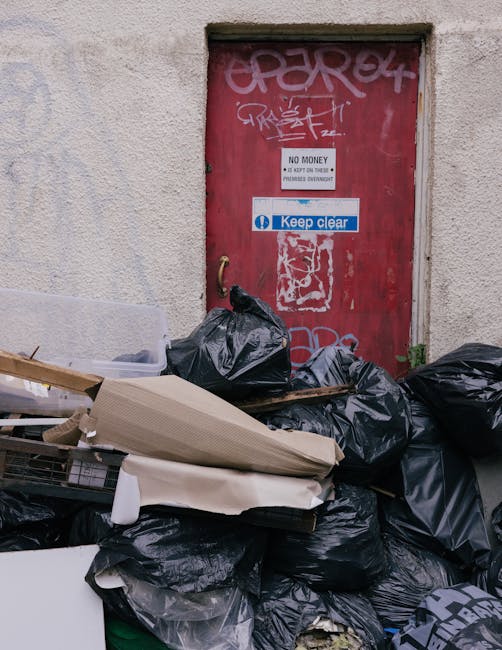
Common Mistakes to Avoid
The biggest bulky waste mistakes are usually not dramatic. They are the small, boring ones that build into stress.
- Leaving bulky waste until moving day - this is the classic one. It creates a bottleneck when time is already tight.
- Assuming everything can go in one vehicle - oversized pieces can reduce usable space fast.
- Ignoring access problems - tight stairs, resident parking, and awkward entry points need planning.
- Trying to move unsafe items alone - this increases the chance of injury and damage.
- Not separating reusable from disposable items - you may throw away something that could have been reused or sold.
- Skipping dismantling - sometimes three minutes with the right screwdriver saves thirty minutes of wrestling later.
- Forgetting to check what the property requires on exit - pre-move-out jobs, including removal of debris and a final clean, often matter more than people think.
One of the most overlooked mistakes is not planning for the aftermath. If you remove a bulky item and leave dust, fixings, cables, or broken parts behind, it can create a second round of work. That is why it helps to pair bulky waste planning with pre-move-out house cleaning. It keeps the finish tidy rather than half-done.
Tools, Resources and Recommendations
You do not need a van full of specialist kit, but a few basic tools make a massive difference:
- Heavy-duty gloves for grip and hand protection
- Furniture blankets to reduce scuffs and edge damage
- Ratchet straps or ties to keep items secure during transit
- Dolly or sack truck for heavy, stable items on level ground
- Screwdrivers and an Allen key set for dismantling furniture
- Labels or masking tape to mark parts, screws, and room locations
- Measuring tape for route checks and access planning
If you are packaging up the rest of the move at the same time, a stop at packing and boxes in Blackheath can help keep smaller items organised while the bulky pieces are being handled separately.
For people who want a broader move support structure, it is worth looking at the difference between a man with a van in Blackheath, a man and van in Blackheath, and a fuller removal van in Blackheath option. The right choice usually comes down to volume, access, and how much lifting you actually want to do yourself.
Law, Compliance, Standards, or Best Practice
Bulky waste disposal in the UK is not something to guess at. While the exact route depends on the item and the local setup, good practice is straightforward: do not leave bulky items on the street unless a proper collection has been arranged, do not hand waste to someone who cannot clearly explain where it is going, and keep a record of what has been removed if you are dealing with a tenancy or property handover.
For moving itself, the safe approach is to follow accepted manual handling best practice. That means assessing the load, knowing your limits, using team lifts when needed, and avoiding awkward twisting under weight. It sounds obvious, but on a real moving day people still try to "just shift it quickly". That is usually when backs complain.
If you are using a removal provider, it is sensible to ask about insurance, safety processes, and how they handle damaged or recyclable goods. You can review the site's own insurance and safety guidance, as well as the health and safety policy and recycling and sustainability approach. That gives you a better sense of the standards behind the work.
Compliance also matters in shared buildings. Flats, managed blocks, and some rented properties may have rules about lift use, communal area protection, or removal timing. If access is tight, the practical advice in the van access guide for Blackheath Common and Heathside can help you think through the logistics before the truck arrives.
Options, Methods, or Comparison Table
There is no single best method for every bulky waste situation. Here is a simple comparison to help you choose the right approach.
| Method | Best for | Pros | Watch-outs |
|---|---|---|---|
| Move it with the rest of the furniture | Items you are keeping | Efficient, fewer separate trips | Needs good access planning and protection |
| Sell, donate, or pass on | Usable furniture and appliances | Reduces waste, may recover value | Can take time and depends on condition |
| Separate bulky waste collection or clearance | Unwanted or broken large items | Clean and practical for clearance | Must be organised properly and timed well |
| Specialist handling for awkward items | Pianos, safes, large wardrobes, fragile items | Safer and more controlled | Usually not a DIY job |
For furniture-heavy homes, the most efficient route is often a mix of these methods. Keep what is worth moving, rehome what still has life in it, and dispose of the rest responsibly. A family clearing a spare room may need a different setup than a student moving out of a flat, which is why options such as flat removals in Blackheath and student removals in Blackheath can be especially relevant depending on the move.
Case Study or Real-World Example
Picture a fairly typical SE3 move from a two-bedroom flat. The property has a narrow stairwell, a bed frame that needs dismantling, a freezer in the kitchen, and a three-seater sofa that the owner wants to replace rather than take along. On paper, it sounds like a standard removal. In reality, the bulky items are the whole story.
The move works best when the sofa and freezer are dealt with before the main packing rush. The bed is dismantled the day before, with screws bagged and labelled. The old sofa is separated from the items being kept, wrapped lightly to protect shared areas, and loaded first so it does not sit awkwardly in the hallway. The freezer is emptied and prepared properly, so there is no unpleasant leak or smell on the day. The result is simple: less congestion, fewer delays, and a calmer exit.
That kind of job often feels like a small victory. Nothing dramatic. Just fewer headaches, fewer dents, and fewer "where on earth do we put this?" moments. And honestly, those moments are half the battle.
If you want to prepare that kind of move in a more structured way, the advice in moving beds and mattresses fits well here, especially when bulky items are being removed in stages.
Practical Checklist
Use this checklist a day or two before the move.
- List every bulky item in the property
- Decide what stays, goes, or gets sold/donated
- Measure doorways, stairs, and corners
- Dismantle furniture where possible
- Bag and label screws, fittings, and small parts
- Protect floors, walls, and furniture edges
- Confirm how appliances will be prepared
- Separate reusable items from true waste
- Make sure pathways stay clear
- Book the correct vehicle and lifting support
- Plan disposal or clearance for non-movable items
- Do a final room-by-room sweep
Quick reminder: if an item looks heavy, awkward, or fragile and you are not fully confident, do not improvise. That is usually where the trouble starts.
Conclusion
Dealing with bulky waste in SE3 moves is really about control. Not control in the stiff, over-planned sense. More the calm, practical kind that says: this item stays, this one goes, and this one needs proper handling. Once you make those decisions early, the rest of the move becomes far more manageable.
It also gives you a cleaner start in the new place. Fewer unwanted items. Less stress. Better use of space. And a move that feels organised instead of chaotic, even if the kettle is still somewhere under a pile of labels and tape. That happens.
Get a free quote today and see how much you can save.
If you are in the middle of planning and the bulky items are starting to dominate the conversation, take a breath, make the list, and work through it step by step. You do not need a perfect move. You just need a sensible one.