Greenwich Council van permits: Do you need one in Blackheath?
Posted on 26/06/2026
![An aerial black and white photograph of a residential neighbourhood showing multiple houses, gardens, and parked cars along the streets. In the foreground, there is a flat roof structure with visible windows and an adjacent yard with tools, a small shed, and landscaping. Behind, a narrow street curves through the area with several vehicles parked along the pavement, including a large van that is being loaded with household furniture and packing boxes wrapped in plastic and cardboard. The scene shows a typical urban setting for home relocation or furniture transport, with a focus on the loading process facilitated by [COMPANY_NAME], situated within the vicinity of houses surrounded by trees and greenery. The environment is well-lit with natural daylight, emphasizing the orderly street layout and the organization involved in professional removal services, such as packing, loading, and transportation within the area.](/pub/blogphoto/greenwich-council-van-permits-do-you-need-one-in-blackheath1.jpg)
If you are planning a move in Blackheath, the permit question can get confusing fast. One person says you need council permission, another says you only need to be careful where you park, and suddenly your simple van job feels like a small logistics puzzle. So, do you need one? In many cases, the answer depends on where the van is stopping, how long it is staying, and whether any restrictions apply on your street. This guide breaks down Greenwich Council van permits: Do you need one in Blackheath? in plain English, so you can plan your move without last-minute stress.
We'll look at what a van permit actually covers, when Blackheath residents should take it seriously, and how to avoid common mistakes that can turn into delays or fines. You'll also find a practical checklist, a comparison table, and a realistic example based on the kind of moving day people around SE3 face all the time.
Why Greenwich Council van permits: Do you need one in Blackheath? Matters
On paper, a van permit sounds like a small admin job. In real life, it can decide whether your move runs smoothly or ends with your driver circling the block while you stand by the front gate wondering what went wrong. Blackheath has a mix of residential streets, busier routes, permit-controlled parking, and tighter loading spaces than people expect. That means the answer is rarely a simple yes or no.
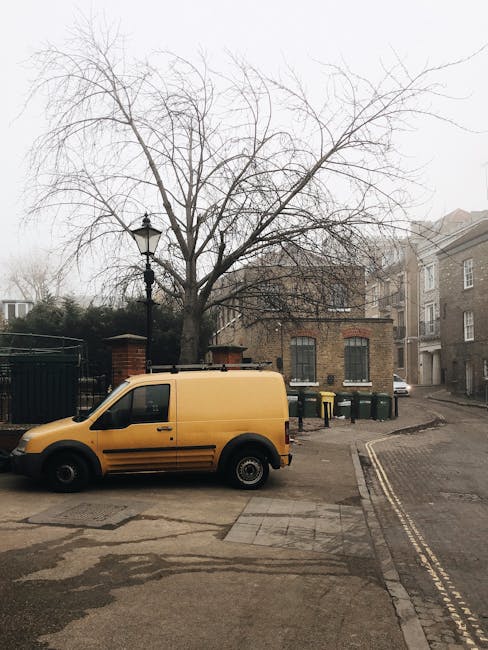
What matters most is not just the council boundary, but the exact parking situation at the property. If the van will be parked in a controlled bay, on yellow lines, or in a location that needs formal permission, then permit rules may come into play. If the vehicle can stop safely and legally without occupying restricted parking, you may not need anything special at all. That distinction is the whole game.
It is also worth saying this plainly: people often confuse a parking permit for a moving day exemption, or assume one blanket rule covers all of Blackheath. Not quite. A house move, a flat move, a student move, or even a quick furniture delivery can each create different parking pressures. If you're moving larger items, it helps to think ahead about access as much as packing. A good place to start is the local van-access advice in our Blackheath Common and Heathside van access guide.
Key point: the permit question is really a parking-and-access question. If you handle that early, you reduce stress, save time, and avoid awkward day-of surprises. Simple as that, really.
How Greenwich Council van permits: Do you need one in Blackheath? Works
To understand whether a permit is needed, start with three practical checks:
- Where will the van stop? Outside the property, around the corner, in a loading bay, or on a controlled street?
- How long will it stay there? A quick load can be different from an all-morning move.
- Does the street have restrictions? In many London neighbourhoods, there are parking controls, time limits, or loading rules.
In Blackheath, the local context matters because access can be straightforward on some roads and awkward on others. A van might fit easily on one street but create problems on the next one over. That's why experienced movers tend to treat access planning as part of the move, not as an afterthought. If you are organising a full household relocation, you may find it useful to read about how to keep a house move calmer from start to finish.
There are usually a few possible outcomes:
- No permit needed because the van can park legally in an unrestricted space.
- A council permit or parking dispensation may be needed if the van must use a controlled bay or restricted area.
- Alternative access arrangements may be better, such as a timed arrival, a different loading point, or a smaller vehicle.
Not every move needs formal paperwork. But if the route is tight, the street is heavily controlled, or the loading point is precious, you should assume access needs checking before moving day. Nobody enjoys discovering this at 7:30 in the morning when the van is already there and your kettle is packed.
One more practical note: if the move involves bulky furniture, awkward stairwells, or heavier items, the access plan matters even more. A short walk from the van to the door can be manageable for boxes, but it becomes a different story when you're carrying a sofa, a wardrobe, or a piano bench that seems to have a personal vendetta. For heavier moves, you might also look at furniture removals support in Blackheath or specialist piano moving help if the load is delicate.
Key Benefits and Practical Advantages
Getting the permit question right is not just about avoiding trouble. It can make the whole move more efficient and less exhausting. To be fair, that's what most people actually want.
- Less delay on moving day because the van has a legal place to stop.
- Lower risk of parking penalties if the location is properly checked in advance.
- Better loading flow when the vehicle is close to the entrance.
- Less physical strain because you are not carrying furniture across half the street.
- More predictable scheduling if the driver knows exactly where they can park.
That last point is underrated. If the van cannot park where expected, the move can take longer, and longer moves tend to mean more friction, more fatigue, and more "where did I put the keys?" moments. We've all seen a move that started with good intentions and ended with someone standing in the hallway, slightly frazzled, holding a box marked "miscellaneous."
If you are comparing moving options, access planning is one of the quiet differences between a smooth service and a messy one. It sits alongside packing quality, lift access, and how prepared the property is. A good pack can help too, especially if you've already used efficient packing methods for a big move.
Who This Is For and When It Makes Sense
Van permits are most relevant when the vehicle needs to stop in a controlled or awkward spot. That makes them particularly useful for:
- people moving from terraced streets or tightly parked residential roads
- flat movers where the van needs to load outside the building
- student moves with multiple short trips and time pressure
- office or business relocations needing a fixed loading window
- landlords arranging quick turnarounds or weekend removals
They are also worth thinking about if you have large items, limited helping hands, or time-sensitive access. A student moving a few boxes from a top-floor flat probably has different needs from a family shifting the contents of a three-bedroom house, but both can run into access problems if the van cannot stop where expected.
If you are moving out of a flat, the parking plan may matter almost as much as the lift or stairwell. In that scenario, a quick read on flat removals in Blackheath can give you a better sense of the logistics involved.
And if you are not sure whether your move fits the "permit needed" category, ask yourself a very simple question: will the vehicle need to occupy a space that might be restricted, timed, or regulated? If yes, get the parking side checked early. If no, you may be fine without any permit at all.
Step-by-Step Guidance
Here's a practical way to work through Greenwich Council van permits: Do you need one in Blackheath? without overcomplicating it.
- Check the exact address and street type. Do not guess based on the wider area. One road can differ completely from the next.
- Look at the planned stopping point. Think about the van's actual position, not just the postcode.
- Identify the move window. Daytime, evening, and weekend moves can have different parking pressure.
- Assess how long loading will take. A few boxes is one thing. Sofas, beds, and appliances are another story.
- Confirm whether loading restrictions apply. This is where many people trip up.
- Speak to your mover early. A good mover will usually flag access concerns before the day arrives.
- Prepare a backup plan. If the front space is unavailable, where else can the van legally stop?
If you're using a local moving team, ask them to talk you through access before confirming the job. The best companies do this naturally because they know it saves headaches later. That's one reason many customers prefer working with established man with a van Blackheath services or broader man and van support when the route and parking are a bit fiddly.
For same-day moves, the timing becomes even more sensitive. If you are working to a short deadline, see what to expect from urgent same-day removals so you can keep the day realistic rather than optimistic.
Expert Tips for Better Results
After enough moving days, a pattern emerges: the people who plan access early have better outcomes. Not glamorous, but true.
- Book the parking question first, not last. Access problems are easier to solve before everything is on the driveway.
- Measure the route from van to front door. A short distance sounds fine until you are carrying a bed base or fridge.
- Keep essential items separate. If the van has to park a little further away, you don't want to be hunting for keys, documents, or chargers.
- Use labels that are actually useful. "Kitchen - fragile - open first" beats "misc." every day of the week.
- Think about load order. Put the awkward stuff in a way that reduces repeated lifting.
When lifting is involved, technique matters as much as strength. A lot of strain comes from poor movement, not the object itself. If you want a better understanding of safe handling, this guide to kinetic lifting is a sensible read before moving day.
Also, don't overlook basic decluttering. Fewer items means less loading time, less parking pressure, and less chance you'll need the van to sit in place for ages. It all connects. If you need a nudge there, decluttering before relocation can make a surprisingly big difference.
Small tip from experience: if a job sounds "quick", that is often when people forget to plan access properly. Quick moves can become awkward moves in ten minutes flat. Not dramatic, just life.
Common Mistakes to Avoid
Most access problems are preventable. The trouble is, they are usually only obvious once the van has arrived. A few common mistakes show up again and again:
- Assuming the postcode tells the full story. It doesn't. Parking rules are street-specific.
- Leaving the permit question until the day before. That is the classic "we'll sort it later" trap.
- Forgetting about loading time. A permit or exemption may need to cover the full loading window.
- Ignoring stair access and walking distance. The van might be legal, but still badly placed.
- Using a vehicle that is too large for the road. Bigger is not always better in Blackheath.
- Not coordinating with neighbours or building managers. Sometimes a tiny heads-up helps more than you'd think.
A practical example: a resident books a van for a Saturday morning, assumes the street is "probably fine", and only finds out after arrival that the nearest stop is controlled. Now the mover is looking for a legal space, the clock is ticking, and the first load has to wait. That delay can affect everything, including lift bookings, the next job, or childcare arrangements. Annoying? Absolutely.
If your move includes heavier or awkward items, mistakes become even more costly. Reading up on how to lift heavy objects solo can help if you are doing some of the handling yourself, though honestly, asking for help is often the better move.
Tools, Resources and Recommendations
You do not need a complicated toolkit to manage a van permit issue, but a few practical resources make life easier:
- Street notes and building instructions so everyone knows where the van can stop.
- A move-day checklist with access, parking, and timing all in one place.
- Clear inventory labels to reduce time spent loading and unloading.
- Protective packing materials for furniture and fragile items.
- Contact details for the mover and building manager in case something changes quickly.
For the practical side of packing materials, packing and boxes in Blackheath is worth a look if you want to stay organised from the start. If your move involves a freezer, sofa, or large bed frame, timing and preparation become even more important. There are useful guides on storing a freezer when idle, protecting a sofa for long-term storage, and moving a bed and mattress with less hassle.
If you're comparing service styles, it can also help to read the broader services overview and decide whether a standard van job, a full removal service, or a more tailored approach fits best. That decision often influences how much access support you need.
Law, Compliance, Standards, or Best Practice
When parking or moving vehicles are involved, the sensible approach is to follow local parking rules, loading restrictions, and any building requirements that apply to the property. In practice, that means you should treat the parking space as part of the move plan, not as a detail to improvise on the day.
Best practice usually includes the following:
- checking whether the road has controlled parking or loading restrictions
- allowing enough time for loading and unloading
- keeping access clear for pedestrians and emergency routes
- making sure the vehicle is not parked in a way that creates obstruction
- communicating any building rules to the moving team in advance
It is also sensible to review mover policies around safety and insurance, especially if valuable or heavy items are involved. A clear approach to handling, vehicle positioning, and liability helps reduce disputes if something goes wrong. You can usually get a better sense of that through pages like insurance and safety information and the company's health and safety policy.
For many customers, the practical rule is simple: if in doubt, check the access before moving day. That cautious mindset is not overkill. It is just good moving practice in a place like Blackheath, where street layouts and parking conditions can vary quite a lot.
Options, Methods, or Comparison Table
Here's a straightforward comparison of the main ways people handle van access in Blackheath.
| Approach | Best for | Pros | Possible downside |
|---|---|---|---|
| No permit needed | Simple moves on unrestricted streets | Fast, low admin, usually cheapest | Only works if legal parking is genuinely available |
| Parking permission or permit route | Controlled streets or tighter loading areas | Helps protect the schedule and access | May require planning and possibly a fee |
| Alternative access plan | Very tight roads, awkward buildings, or time-limited jobs | Flexible and often realistic | May involve longer carry distance |
| Smaller or more suitable vehicle | Narrow streets or busy residential zones | Easier to position, sometimes less disruptive | May need multiple trips or careful loading |
There is no single "best" option for every Blackheath move. A student taking a few boxes to a nearby flat may only need a short stop and a good loading plan. A family move, on the other hand, may benefit from a more formal access check, especially if the van is large or the property is on a busier road. If the move is happening at short notice, see also same-day removals in Blackheath for a more urgent style of planning.
Case Study or Real-World Example
Picture a typical Friday move in SE3. A couple is leaving a top-floor flat in Blackheath and moving a short distance away. They have the boxes packed, the kettle is already in a "last to load" crate, and the van is booked for late morning. Sounds fine. Then they realise the street outside the flat has limited stopping space and a narrow run of parked cars on both sides.
Instead of hoping for the best, they check whether the van can stop legally nearby, plan a shorter carry route, and ask the mover to arrive at a time when loading is less disruptive. They also keep bulky furniture near the exit and schedule the heavier pieces first. The result? Less backtracking, fewer arguments over who is carrying the lamp, and a move that feels organised rather than chaotic.
That kind of outcome is not magic. It is just planning. The permit question is part of that, but so are timing, packing, and communication. If the move involves larger pieces of furniture, the process is easier when you've already considered furniture removals support and practical loading order. One small decision up front can save a lot of running around later.
And yes, sometimes the job is easier than expected. But it's better to be pleasantly surprised than caught out.
Practical Checklist
Use this quick checklist before moving day:
- Confirm the exact property address and street.
- Check whether the van will need to stop in a restricted or controlled area.
- Allow enough time for loading and unloading.
- Speak to your mover about access, vehicle size, and timing.
- Prepare a backup parking or stopping plan.
- Keep keys, paperwork, chargers, and valuables separate.
- Label boxes clearly so the move is quicker.
- Protect bulky furniture and fragile items properly.
- Review any building rules if you live in flats or managed property.
- Leave a little breathing space in the schedule. Always helps.
If you are at the stage of sorting through belongings, it may also help to look at pre-move-out house cleaning and dealing with bulky waste in SE3. Getting rid of unwanted items often makes parking, lifting, and loading much easier.
Conclusion
So, do you need one? The honest answer is: sometimes yes, sometimes no, and the difference comes down to the exact parking situation outside your property. That is why Greenwich Council van permits: Do you need one in Blackheath? is really a question about access planning, not just paperwork. If the van can stop legally without restriction, you may not need anything special. If the street is controlled or the loading point is tight, it is wise to check early and plan properly.
The best moves in Blackheath usually have one thing in common: they respect the practical details. Parking. Timing. Loading distance. Building access. Once those are lined up, the rest tends to feel much easier. A bit less stressful, a bit more human. And frankly, that's what most people want on moving day.
Get a free quote today and see how much you can save.
When in doubt, slow down just enough to check the access. A small pause now can save a much bigger headache later, and that's a trade worth making every time.
![An aerial black and white photograph of a residential neighbourhood showing multiple houses, gardens, and parked cars along the streets. In the foreground, there is a flat roof structure with visible windows and an adjacent yard with tools, a small shed, and landscaping. Behind, a narrow street curves through the area with several vehicles parked along the pavement, including a large van that is being loaded with household furniture and packing boxes wrapped in plastic and cardboard. The scene shows a typical urban setting for home relocation or furniture transport, with a focus on the loading process facilitated by [COMPANY_NAME], situated within the vicinity of houses surrounded by trees and greenery. The environment is well-lit with natural daylight, emphasizing the orderly street layout and the organization involved in professional removal services, such as packing, loading, and transportation within the area.](/pub/blogphoto/greenwich-council-van-permits-do-you-need-one-in-blackheath3.jpg)