Lewisham parking rules for SE3 removals explained
Posted on 06/07/2026
If you are moving in SE3, parking can turn a well-planned removal into a slightly frantic one. A van that cannot stop near the front door means longer carries, slower loading, extra stress, and sometimes a very grumpy neighbour or two. This guide to Lewisham parking rules for SE3 removals explained is here to make the process clearer, calmer, and much more practical.
We will walk through what the parking rules usually mean in real moving situations, why they matter, how to plan around them, and where people most often get caught out. If you are organising a flat move, a house move, or even a same-day job, a bit of parking foresight can save a lot of hassle. It sounds boring. It is not boring on moving day.

Why Lewisham parking rules for SE3 removals explained Matters
Parking is one of those things people only think about when it becomes a problem. In SE3, that problem usually arrives in one of three ways: the van cannot stop where you expected, there is a yellow line where you thought there was room, or a loading bay is already occupied and your move starts slipping behind schedule.
For removals, parking matters because every extra metre between the van and your front door costs time and effort. That can affect labour, the number of trips, the safety of heavier items, and, in some cases, the overall cost. If you are moving furniture, boxes, or awkward items like a mattress, timing and access matter as much as the packing itself. For helpful background on making the physical side easier, it is worth reading practical packing advice for a big move and this useful piece on safer lifting technique.
There is also the local reality: SE3 includes residential streets, mixed parking restrictions, controlled zones, and areas where one badly parked van can block traffic or upset the neighbourhood rhythm. Nobody wants to be that move. A little planning keeps the day smooth and avoids the awkward dance of reversing, re-parking, and carrying a wardrobe down the street in drizzle. Not ideal, honestly.
Key takeaway: good parking planning is not just about avoiding a ticket. It is about protecting your schedule, your items, your moving crew, and your own energy.
How Lewisham parking rules for SE3 removals explained Works
The basic idea is straightforward: if you are using a van for a move in SE3, you need to understand where that van can legally wait, load, unload, or stop briefly without causing issues. The exact arrangement depends on the street, time of day, and local restrictions in place at that location.
In practical terms, a removal usually falls into one of these parking scenarios:
- Free but limited spaces: standard bays or unrestricted spots that may be available, but not guaranteed.
- Resident-controlled streets: places where permit holders, visitor bays, or timed restrictions may apply.
- Loading-friendly locations: areas where short stops may be possible, but only if the vehicle is actively loading or unloading and the restrictions allow it.
- Busy or narrow roads: streets where access is possible, but parking the van close enough to the property requires very careful timing.
That is the broad picture. The real skill is matching the parking option to the move itself. A one-bedroom flat with a light load is very different from a full family house or office relocation. If your move is larger, you may want to compare options like house removals support, flat removal services, or even a man with a van service depending on how much needs shifting.
Another useful point: parking rules and permit requirements are not the same as access reality. A street might technically allow loading, but if there is nowhere safe to pause the van without blocking traffic, the move still becomes awkward. That is why SE3 removals often benefit from a proper access check the day before, not just a vague "we should be fine" on the morning itself.
What typically affects parking on moving day?
- Time of day and how busy the road is.
- Whether the property is on a single yellow, double yellow, or controlled bay area.
- Whether a permit is required for the driver, the van, or both in practice.
- Distance from the van to the entrance.
- Whether there is room to open doors, tail lifts, or ramps safely.
Key Benefits and Practical Advantages
Doing the parking side properly gives you more than legal peace of mind. It improves almost everything else around the move.
- Less time wasted: the van is close enough to the door, so loading and unloading happen faster.
- Lower physical strain: fewer long carries means less exhaustion and less risk of dropping fragile items.
- Better scheduling: if you have cleaners, landlords, or key handovers waiting, punctuality matters.
- Reduced stress: no scrambling for a last-minute space while the moving crew stands around.
- Fewer complaints: neighbours and parking enforcement are less likely to become part of your moving story.
There is also a commercial angle. A removal company can often work more efficiently if parking is sorted in advance, and that may reduce the chance of unexpected delays. If you are comparing services, it helps to understand how access affects the overall job; the details in hidden removal fees and pricing surprises are especially relevant here.
One more practical benefit: if your move includes delicate or high-value pieces, shorter carries mean less wobble, less exposure to weather, and fewer opportunities for damage. That matters with furniture, instruments, and awkward large items. For example, if you are moving a piano, the difference between a good parking position and a poor one is huge. In that case, specialised help like piano removals can be a sensible choice.
Who This Is For and When It Makes Sense
This guide is for anyone moving within or out of SE3, but some people will feel the parking issue more sharply than others.
- Flat movers: especially if the property is on a busy road, above street level, or has no private driveway.
- House movers: when there are more items, more trips, and more need to park close to the door.
- Students: often moving with less volume but more time pressure and tighter budgets; student removals can help keep things simple.
- Office movers: where downtime costs money and parking delays can snowball.
- Landlords and letting agents: coordinating tenant changeovers, key swaps, and quick turnarounds.
- Same-day movers: because there is less room for error and fewer chances to test routes twice.
It also makes sense if your home is in a location with shared access, tight turning space, or awkward kerb height. SE3 has plenty of streets where a vehicle can arrive perfectly on time and still be awkward to position. That is just the reality, no drama, but it needs managing.
If you are in a hurry, a guide like what to expect from urgent same-day removals can also help you plan around the fact that fast moves need cleaner access decisions.
Step-by-Step Guidance
Here is the most reliable way to handle parking for an SE3 removal. It is not glamorous. It does work.
- Check the property frontage. Look at the street directly outside your home. Is there enough room for a van to stop without blocking a junction, crossing a dropped kerb, or sitting across someone's driveway?
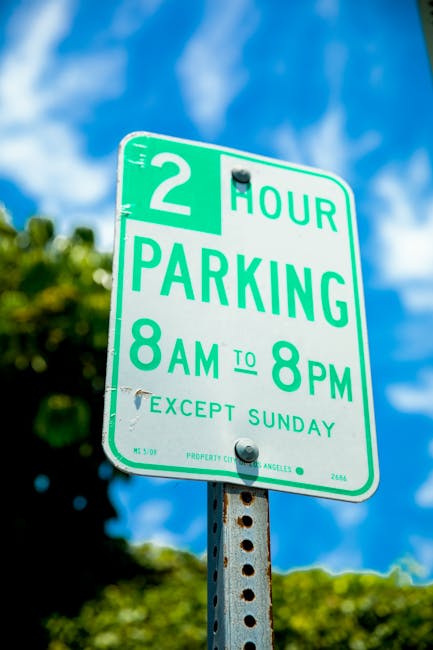
- Look for signs and bay markings. Note any resident permit areas, loading restrictions, yellow lines, pay-and-display bays, or timed limits. If the street feels confusing, assume it probably is and plan conservatively.
- Measure the carry distance. Even a rough estimate helps. Ten steps is easy. Fifty metres with a wardrobe and a raincoat on, less so.
- Plan the loading order. Put the first-needed items closest to the exit and keep bulky items near where they can be loaded safely.
- Decide whether you need help with parking or access. Some moves work fine with a standard stop; others need a more tactical setup. If you are unsure, consider discussing access in advance with your removal provider.
- Build in a time buffer. Arrive or start earlier than you think you need. A small delay finding a space can become a big delay if everyone is already carrying heavy boxes.
- Keep essential documents and contact details close. If a parking issue arises, you want the move coordinator or driver to be able to adapt quickly.
A small but useful habit: take photos of the street, bay signs, and the frontage the day before. It sounds almost too simple, but on moving morning those photos can save a lot of guesswork. You will notice how quickly a calm plan beats a rushed one.
A practical SE3 move order that often works well
- Confirm access and parking the day before.
- Clear the hallway and stairwell first.
- Load the largest items while the van is at its best parking point.
- Use the parking window for the heaviest, most awkward pieces.
- Finish with lighter boxes and clean-up items.
Expert Tips for Better Results
After enough local moves, a few habits stand out. The people who do well are not necessarily the most organised in a perfect Pinterest way. They are the ones who think ahead about the street as much as the sofa.
- Choose the loading point before the moving crew arrives. That avoids five minutes of standing around looking at the road and nodding at each other.
- Keep one person focused on traffic awareness. When a van is parked close to the property, somebody should be thinking about doors, pedestrians, and neighbouring cars.
- Use smaller loads if the frontage is tight. Several lighter trips can be safer than one badly balanced heavy carry.
- Pack for fast exit. If you need to move items from a third-floor flat, every unnecessary minute matters.
- Think about weather. Wet cardboard, slippery steps, and narrow kerbs are a bad mix. London does that thing where it looks dry, then not dry at all. Classic.
For furniture-heavy moves, a good preparation article like furniture removals guidance can be surprisingly helpful. If you are transporting a sofa, mattress, or bed frame, the planning around access matters just as much as the item itself. A good companion read is how to move beds and mattresses.
Expert summary: if parking is uncertain, assume the move will take longer than planned and prepare the route, load order, and people flow accordingly. That one adjustment alone prevents a lot of moving-day chaos.
Common Mistakes to Avoid
Most parking problems during SE3 removals come from a handful of predictable mistakes. The good news? They are easy to avoid once you know what to look for.
- Assuming there will be space outside the property. There often is not, especially later in the morning.
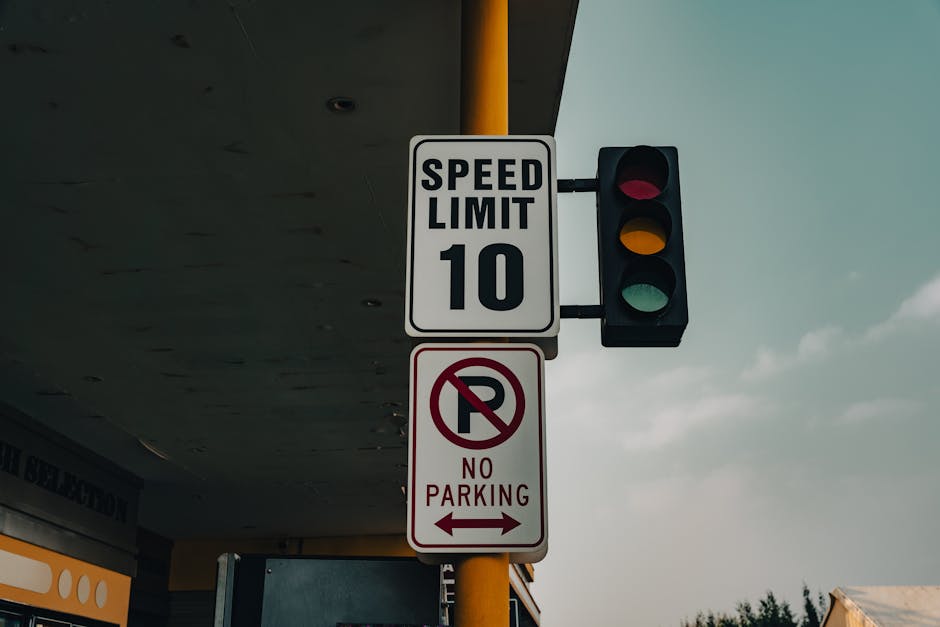
- Ignoring time restrictions. A bay that looks fine at 8:00 may be completely different by 9:30.
- Forgetting that a van is bigger than a car. It sounds obvious, but people still underestimate turning space and kerb clearance.
- Planning only for loading, not unloading. The return leg matters too.
- Leaving access questions until the driver arrives. By then, it is far harder to fix the problem.
- Not considering bulky items. Wardrobes, freezers, and pianos need extra room and patience.
One more mistake that crops up more often than people admit: believing the move will be "quick enough" that parking details do not matter. To be fair, it might still work out. But when it does not, the whole day feels longer. A lot longer.
If decluttering is still on your list, you may also find decluttering before relocation worth a look. Fewer items means fewer carries, which means parking pressure matters less. Nice little chain reaction.
Tools, Resources and Recommendations
You do not need complicated equipment to manage parking well. A few simple tools and habits are usually enough.
- Notebook or phone notes: record bay signs, times, and any access observations.
- Phone camera: snap the frontage, kerb, and road signs before the move.
- Flexible moving blankets and straps: useful when a longer carry means more handling risk.
- Floor plan or room list: helps prioritise what loads first.
- Clear labels on boxes: reduces extra back-and-forth with the van.
For broader planning, the following pages can help shape a smoother move overall: services overview for understanding what is available, removal services if you need a broader support option, and removal van hire or transport options when you want to match vehicle size to the street layout.
If your move involves storage, furniture that cannot go in immediately, or a phased handover, it may also help to look at storage solutions. Sometimes the smartest parking strategy is not forcing everything into one long day.
Law, Compliance, Standards, or Best Practice
Parking rules in Lewisham and across SE3 should be treated carefully because they can involve controlled parking areas, loading rules, and time-restricted bays. The exact restrictions depend on the street, the signage, and any local traffic management in place. Because those details can change, it is best not to rely on memory from a previous move, or on what another neighbour said worked last month.
From a best-practice point of view, a removal should follow four basic principles:
- Do not block traffic or access routes.
- Respect signs, times, and bay conditions.
- Load and unload safely.
- Plan ahead rather than improvising under pressure.
For movers, safety is not only about lifting. It also includes vehicle positioning, slip hazards, and clear access paths. If you want a more detailed look at moving safely around awkward loads, insurance and safety guidance is a sensible companion page, and health and safety policy information may also be useful for understanding the standards behind careful moving practices.
Best practice also means being honest about uncertainty. If a street looks tight or the rules look unclear, do not gamble. A few minutes of checking is cheaper than a parking fine, a delayed move, or a strained back. Simple as that.
Options, Methods, or Comparison Table
There is no single perfect parking strategy for every SE3 move. The best option depends on the property, the load, and the time available. Here is a simple comparison to help you think it through.
| Option | Best for | Pros | Watch out for |
|---|---|---|---|
| Street parking near the property | Most standard home moves | Short carries, faster loading, easier handling | May be restricted or unavailable |
| Pre-planned loading bay use | Busy streets and tighter access | More structured, often efficient when allowed | Timing and signage must be checked carefully |
| Further-away legal parking | When closer spaces are not possible | Usually easier to find a legal spot | Longer walks, slower job, more fatigue |
| Split-load or staggered move | Large homes, awkward streets, shared access | Reduces pressure on one parking window | Needs planning and perhaps extra time |
In many SE3 moves, a staggered approach is actually the smartest. The van stays where it can legally and safely stop, while the team focuses on moving items in a sequence that reduces long carries. It is not flashy. It just works.
Case Study or Real-World Example
A recent SE3 flat move is a good example of why parking planning matters. The property was on a residential street with limited on-street space and active daytime parking pressure. The client assumed the van could stop right outside. On inspection, that turned out to be optimistic, which is a polite way of saying "not happening".
Instead of forcing the issue, the move plan changed. The van used a legal stop slightly further along the street, and the team loaded the largest items first while that space was available. Lightweight boxes were staged near the entrance, and the resident kept the corridor clear. The result? The move stayed calm, no one had to sprint with a wardrobe, and the schedule held together.
The small lesson here is surprisingly big: a move does not need perfect parking to succeed. It needs realistic parking. That difference saves a lot of stress.
If the property had involved a more complex item, such as a piano or a very heavy sideboard, the team would have benefitted from more specialised planning, maybe even a service tailored for awkward pieces. This is where pages like the risks of moving a piano yourself and safe solo lifting advice can reinforce the point: access and handling are joined at the hip.
Practical Checklist
Use this checklist a day or two before the move. It is simple, but it covers the things people tend to forget when they are juggling key handovers and cardboard dust.
- Check the street signs outside the property.
- Confirm whether the van can stop legally near the entrance.
- Estimate the walking distance from parking to door.
- Identify any narrow gates, steps, or awkward corners.
- Plan the loading order for heavy and fragile items.
- Keep essential contact details handy.
- Take photos of the frontage and signage.
- Allow extra time for traffic, parking, and neighbours using the street.
- Separate items that must travel first.
- Make sure boxes are labelled clearly so unloading is quicker.
- Have a backup option in case your first parking choice is taken.
And if you are still sorting belongings at the last minute, there is no shame in that. Happens to the best of us. A helpful final preparation read is pre-move-out cleaning guidance, because a tidy exit often goes hand in hand with a smoother load-out.
Get a free quote today and see how much you can save.
Conclusion
Lewisham parking rules for SE3 removals explained are really about one thing: reducing friction on moving day. If the van can stop safely and legally, the whole move becomes easier. If it cannot, everything gets heavier, slower, and more stressful than it needs to be.
The best approach is practical, not perfect. Check the street. Read the signs. Allow time. Keep the load order sensible. And if the access looks awkward, treat that as useful information, not a setback. That one mindset shift can save the day.
SE3 moves are manageable when the parking plan is as thoughtful as the packing plan. Get that balance right, and the whole process feels much less like a battle with the kerb. More like a job done properly, which is what most people want in the end.