Moving From Blackheath Village? Local Van Tips for SE3
Posted on 26/05/2026
If you are moving from Blackheath Village, the difference between a smooth day and a stressful one often comes down to the small local details: narrow residential streets, timing around traffic, parking space near the property, and choosing the right van size for what actually needs moving. A good plan saves more than time. It protects furniture, reduces lifting, and helps the whole day feel manageable.
This guide to Moving From Blackheath Village? Local Van Tips for SE3 is written for real moves, not theory. You will find practical advice on planning a local van move, deciding whether you need a man and van setup or a larger removals service, avoiding common mistakes, and using sensible packing and loading methods. If you want a calmer move, a little local know-how goes a long way.
For readers who want to prepare properly, it can also help to read about stress-free house moving habits and efficient packing techniques before moving day arrives. Those two pieces alone can prevent a lot of last-minute scrambling.
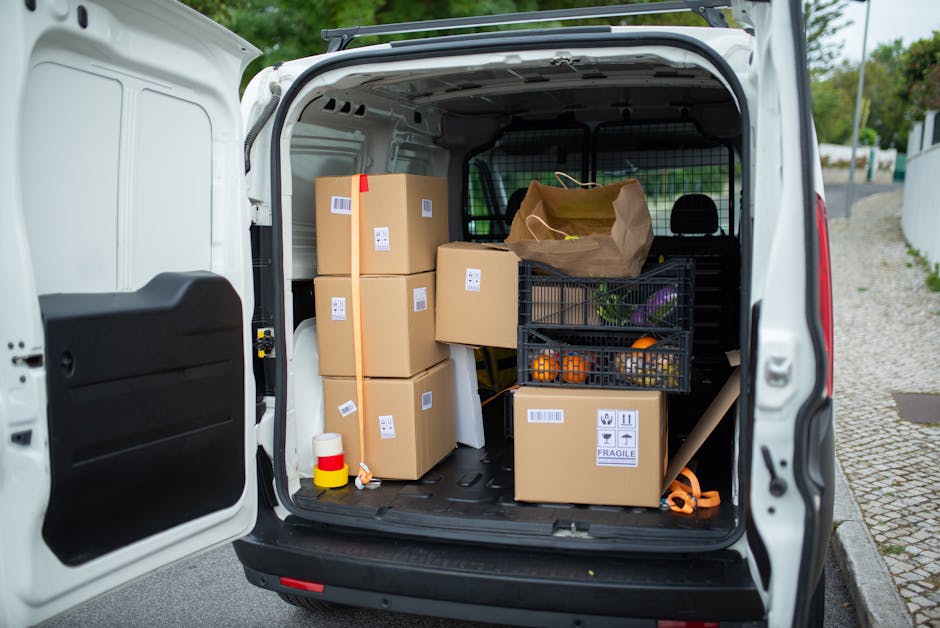
Why Moving From Blackheath Village? Local Van Tips for SE3 Matters
Blackheath Village has its own rhythm. Homes are often close together, access can be tighter than it looks on a map, and weekday movement around SE3 can be affected by school runs, commuter traffic, and busy local roads. That means a generic "turn up and load everything" approach is rarely the best option.
Local van planning matters for three simple reasons. First, it helps you match the van to the size and shape of your move. Second, it reduces the chance of damage caused by poor loading or rushed lifting. Third, it helps you avoid delays caused by parking issues, awkward access, or underestimating how long loading will take.
There is also a comfort factor. Even a modest local move can feel overwhelming if you are juggling keys, boxes, furniture, and timing. A well-run van move gives you control. It lets you work in sequence, keep valuables close, and settle into the new place without the feeling that the day has run away with you.
If you are moving a full household rather than a few items, a broader service such as house removals in Blackheath may be more suitable. If your move is lighter, a simpler man with a van in Blackheath arrangement may be enough. The right choice depends on volume, access, and how much lifting you want to do yourself.
How Moving From Blackheath Village? Local Van Tips for SE3 Works
A local van move is straightforward in principle: items are prepared, loaded safely, transported a short distance, and unloaded in a planned order. In practice, the quality of the move depends on what happens before the van even arrives.
Most good moves follow the same pattern:
- Survey the property and access. Check stairs, lifts, narrow hallways, curb space, and where the van can reasonably stop.
- Estimate volume honestly. A single sofa, bed, and a handful of boxes may fit in one van trip. A two-bedroom flat may need a larger vehicle or more than one run.
- Prepare and protect items. Use blankets, wraps, tape, and proper boxes. Fragile items should not be packed loosely because "it seemed fine at the time" is not a reliable packing strategy.
- Load in a sensible order. Heavy, sturdy items go in first. Light, fragile, or frequently needed items are kept accessible.
- Transport and unload by priority. Beds, kitchen essentials, and furniture you need immediately should be placed first in the new property.
If you have larger furniture, it is worth reviewing furniture removals in Blackheath before you decide how much help you need. The same applies to bulky items like mattresses; the guide on moving beds and mattresses safely is a useful reference if your bed frame is awkward or your staircase is narrow.
For specialist items, planning matters even more. Pianos, for example, deserve their own handling plan. The risk profile is simply different, which is why piano removals in Blackheath exist as a dedicated service rather than being treated like an ordinary box-and-sofa job.
Key Benefits and Practical Advantages
Choosing a local van-based move from Blackheath Village brings practical benefits that are easy to overlook until the day itself.
- Better control over timing: shorter travel distances often mean less waiting, fewer delays, and easier coordination with key handovers.
- Lower handling risk: a properly loaded van reduces the chance of items shifting in transit.
- More flexibility: local moves are often easier to split into phases, especially if you are moving part of a flat first and the rest later.
- Cost efficiency: for smaller moves, a van service can be more economical than booking a full-scale operation.
- Less stress: a clear loading plan means you are not guessing on the pavement while the clock is ticking.
There is also an emotional benefit. A move feels much less chaotic when you know the van can access the property, the boxes are labelled, and you are not trying to lift a wardrobe while the door is open and someone is standing in the rain. Small victories matter.
Readers who want to reduce unnecessary load before moving should look at decluttering before relocation. Fewer items usually means fewer trips, less packing, and a cleaner start in the new home.
Who This Is For and When It Makes Sense
This type of move suits many different people, but it is especially useful if your relocation is local, time-sensitive, or only involves a manageable amount of furniture. In Blackheath Village and the wider SE3 area, that often includes:
- tenants moving between flats or shared homes
- first-time buyers with a modest furniture load
- students moving into or out of rooms nearby
- small offices shifting equipment or archive boxes
- households moving a few large items rather than an entire property
- people needing short-notice transport for a same-day move
If you are in a compact flat, a service such as flat removals in Blackheath can be a better fit than trying to improvise with a van and a lot of guesswork. Likewise, students often benefit from student removals in Blackheath because the volumes are smaller, the timing can be tight, and affordability matters.
It also makes sense if you are trying to move quickly, perhaps due to a lease change, a completion date, or a last-minute accommodation change. In those situations, a same-day removals service may be the practical option, provided access and load size are realistic.
Step-by-Step Guidance
Here is a practical way to approach a local van move from Blackheath Village without losing your mind halfway through.
1. Confirm what is actually moving
Walk through each room and separate "must move", "can be sold", "can be donated", and "can be left behind or recycled". This makes the move more accurate and usually cheaper.
2. Measure the awkward pieces
Doorways, stair turns, wardrobe depth, sofa height, and mattress size matter more than most people think. If a piece barely fits one route, assume it may need to be rotated, wrapped, or disassembled.
3. Book the right vehicle and help level
If you are moving a few boxes and a bed, a smaller van may do the job. If you have multiple appliances, bulky furniture, or several rooms, the wrong van size can create more problems than it solves. A clear discussion with the provider helps avoid underbooking.
4. Prepare packing materials early
Strong boxes, tape, labels, bubble wrap, mattress covers, and furniture blankets are not optional extras if you want to protect your belongings. You can find helpful support through packing and boxes in Blackheath, especially if you are starting from scratch.
5. Pack by room and by priority
Keep the kitchen together, the bathroom together, and so on. Mark one or two "first night" boxes with essentials such as chargers, kettle items, toiletries, and basic bedding. It sounds obvious. In the rush of moving day, obvious things have a way of disappearing.
6. Load in a deliberate order
Heavier items should go in first and be secured properly. Fragile or soft items can be used to fill gaps, but only if they will not be crushed. Never stack like you are building a house of cards on a moving floor.
7. Check the old property before leaving
Look in cupboards, behind doors, in loft spaces, and on chargers left in sockets. A final sweep saves a lot of frustration later.
8. Unload with a plan
Put beds and essential furniture in place first. Then work through boxes room by room. That approach helps the new home become functional much faster.
For a better packing method overall, it is worth reading our guide to efficient packing. It complements local van planning very well.
Expert Tips for Better Results
Some of the best moving advice is unglamorous, but it works.
- Use the van space like a puzzle. Flat items like mattresses, headboards, and table tops can often create a stable layer, but only if protected properly.
- Label more than the room name. Add a short note such as "kitchen - mugs and kettle" or "bedroom - cables and lamps". That makes unpacking much faster.
- Keep hardware in bags taped to the furniture. Screws, hinges, and bolts vanish at the exact moment you need them most.
- Don't lift in a hurry. Good lifting technique matters. The guidance on safe lifting mechanics explains why using your legs and keeping loads close reduces strain.
- Protect floors and corners. Old properties and new properties both suffer when furniture is dragged rather than carried or glided.
- Book extra time for awkward access. Narrow staircases and shared entrances always take longer than people expect.
If you are moving a sofa into storage or out of the property temporarily, the article on protecting a sofa in storage is useful reading, because upholstery damage usually starts with poor wrapping or damp conditions.
And if there is a heavy item you are tempted to move alone, pause for a moment. The guide on lifting heavy objects solo is worth reviewing before you decide to do everything yourself.
![A man with long blonde hair, wearing a patterned headband and dark clothing, is outdoors on a street corner, smiling while carrying a large, padded, black and green furniture moving blanket. The blanket is secured with orange and black straps, and he holds one side of it as he assists with a home relocation. In the background, there is a white delivery truck parked partially on the road, a brick building with arched windows to the left, and a white multi-story building further down the street. The street has a pedestrian crossing and utility poles with power lines, with a clear blue sky overhead. The scene depicts the loading process involved in furniture transport and house removals, with [COMPANY_NAME] providing professional packing and moving services relevant to house moves in Blackheath, SE3.](/pub/blogphoto/moving-from-blackheath-village-local-van-tips-for-se32.jpg)
Common Mistakes to Avoid
Most moving problems are predictable. The annoying part is that they are also preventable.
- Choosing a van that is too small: this leads to extra trips, longer loading, and more stress than necessary.
- Assuming parking will be easy: in real life, parking near the property may require planning, timing, or a short walk.
- Leaving packing until the night before: rushed packing leads to weak boxes and poor labelling.
- Ignoring specialist items: pianos, large mirrors, freezers, and mattresses need more thought than a standard box.
- Forgetting to clean or defrost appliances: especially with a freezer, this can create leaks and delays. See the guide on storing a freezer when idle if you need to pause use before the move.
- Not securing furniture properly: loose items can slide, scratch, or topple in transit.
- Underestimating access issues: shared hallways, coded entry systems, and tight turns all add time.
One more common mistake: treating every move like the same move. A student room, a two-bedroom flat, and a full family home do not need the same approach. You do not get bonus points for making it harder than it needs to be.
Tools, Resources and Recommendations
The right tools make a local van move safer and faster. You do not need a warehouse full of gear, but a few basics make a serious difference.
| Item | Why it helps | Best use |
|---|---|---|
| Removal blankets | Protects furniture from scrapes and corner damage | Wardrobes, tables, sofas, mirrors |
| Strong tape and labels | Keeps boxes sealed and organised | Every room in the move |
| Straps or ties | Stops items shifting inside the van | Fridges, wardrobes, stacked boxes |
| Gloves with grip | Helps reduce slips and improve handling | Lifting and carrying awkward items |
| Mattress cover | Keeps bedding clean and dry | Bed and mattress transport |
| Trolley or sack truck | Reduces carrying strain on heavier items | Boxes, appliances, furniture bases |
For moving-heavy households, using professional support can be more efficient than renting gear and hoping for the best. If your move includes larger pieces, the services overview is a good starting point for understanding what is available. If you want to compare pricing and request a straightforward estimate, the pricing and quotes page is the natural next step.
There are also situations where storage helps bridge the gap between move-out and move-in dates. In those cases, storage in Blackheath can be a practical part of the plan, especially if access dates do not line up neatly.
Law, Compliance, Standards, or Best Practice
For most domestic moves, the key compliance point is simple: use a provider that takes safety, insurance, and customer handling seriously. You do not need to become a legal expert to move house, but you should understand a few basics.
First, insurance matters. Ask what level of cover applies to transport, loading, and unloading. Coverage can differ between providers, so never assume that every risk is automatically included. The site's insurance and safety information is worth reading before you book.
Second, health and safety should be more than a slogan. Safe lifting, secure loading, suitable equipment, and sensible staffing are all part of good practice. You can review the operator's health and safety policy if you want to understand how they approach those responsibilities.
Third, terms should be clear. Understand cancellation arrangements, arrival expectations, handling responsibilities, and any limits that apply to access or parking. The terms and conditions are there to reduce misunderstandings before they happen.
For people moving items into temporary storage or planning a bigger household shift, sustainability can also matter. Responsible disposal and reuse are supported through recycling and sustainability guidance, which is helpful if your move includes unwanted furniture or packaging waste.
Options, Methods, or Comparison Table
Different moves need different approaches. Here is a simple comparison that helps you decide what fits best.
| Option | Best for | Strengths | Watch-outs |
|---|---|---|---|
| Man and van | Small to medium local moves | Flexible, practical, often cost-effective | May be too small for larger households |
| Removal van only | DIY loading with transport help | Useful if you have your own team to lift | You carry the burden of packing and heavy lifting |
| Full removals service | Whole-house or high-value moves | Less manual work, more support, better coordination | May cost more than a basic van hire |
| Same-day removals | Urgent or unexpected moves | Fast response, good for time-sensitive situations | Availability can be limited |
For a local SE3 move, the "best" option is usually the one that matches your access and your workload. If the property has stairs, large furniture, and not much time, choosing the smallest possible service is often a false economy. A slightly better fit now can save hours later.
Case Study or Real-World Example
Imagine a couple moving from a second-floor flat near Blackheath Village to a nearby SE3 property. They have a bed frame, mattress, small sofa, dining table, five packed boxes, two chairs, and a freezer that needs to be handled carefully. On paper, it looks like a simple local move. In reality, there are stairs at both ends, limited street space, and a narrow landing on the new side.
What makes the move work is not brute force. It is sequencing.
They start by decluttering, so they are not moving old boxes of forgotten cables and duplicate kitchen items. Then they pack the fragile things separately, wrap the sofa, and label the mattress and bed hardware clearly. The freezer is defrosted in advance, which avoids water where nobody wants water. The van arrives at a planned time when access is easiest, and the larger pieces are loaded first.
At the new property, beds and the sofa go in before the boxes. The result is predictable but valuable: fewer trips, less damage, and a move that feels controlled rather than frantic.
If that sounds like the kind of move you want, the supporting guides on pre-moveout cleaning and the risks of moving a piano yourself show how small planning choices change the whole day.
Practical Checklist
Use this checklist in the final 48 hours before moving day.
- Confirm van size, arrival time, and access instructions
- Check parking space, permits, or loading restrictions if needed
- Finish packing fragile items and label all boxes clearly
- Defrost and dry any freezer or refrigerator that is being moved
- Disassemble furniture where practical and keep hardware together
- Protect sofas, mattresses, and polished furniture with covers or blankets
- Keep documents, keys, chargers, medication, and valuables with you
- Clear hallways and entrances at both properties
- Do a final room-by-room sweep before leaving
- Set aside a first-night box for each household member
Expert summary: a good local move is usually won before the van starts rolling. Measure, sort, label, protect, and plan the unloading order, and the day becomes dramatically easier.
Conclusion
Moving from Blackheath Village does not need to be complicated. With the right local van plan, the job becomes much more predictable: fewer lifting risks, less wasted time, and a smoother handover between properties. The biggest wins usually come from simple habits such as honest volume estimates, proper packing, careful loading, and choosing the right level of help for the items you actually have.
Whether you are relocating a single flat, a family home, or a few high-value pieces, a local approach works best when it respects the practical realities of SE3. Think access first, then packing, then transport. That order keeps the day sane.
If you are preparing to move and want a clearer idea of your next step, review the service pages, check the guidance on safety and pricing, and compare the level of help that fits your load. A short conversation and a realistic plan can save a lot of stress later.
Get a free quote today and see how much you can save.